Print-on-demand is still a genuinely profitable, scalable business model in 2026 - but profitability is not automatic, and this guide spends as much time on the condition as on the opportunity.
Want to start a print-on-demand business but unsure whether it pays in 2026? Analysts expect the global market to grow from roughly $13 billion this year to over $100 billion by the mid-2030s (Precedence Research forecasts $118.85 billion by 2035) - so there is still ample room for new and existing brands to thrive. The honest version of that answer comes with a condition, and we will use numbers from our own fulfillment line and seller base to explain it.
Is a Print-On-Demand Business Profitable?
Yes - print-on-demand is still a profitable business model in 2026, but the profit lives in the details. With the right niche, durable custom products, and a smart marketing strategy, you can build a real margin. Typical POD sellers see profits around 20%, and strong stores reach 30%+ on best-selling POD items. The category economics can be excellent: as our CEO Saulius Meilutis puts it, "Phone cases are really a great example of a healthy and profitable POD business model... you can buy from Podbase for 10 euro and sell them for 35-60 euro."
Here is the part most "is POD profitable" articles skip: a markup is not a margin. A cheap base product that fails after a week erases the profit you booked on paper. "A cheap product that fails after a few days carries a cost that never shows up in a margin calculation," warns our Head of Sales, Sidas. "That customer tells their friends. That return or complaint lands in a support queue." When you partner with a reliable POD service, you protect the reviews and repeat purchases that turn a one-time markup into a profitable business - without inventory risk.
Also Read:
Is Print on Demand Still Worth It?
Yes, starting a print-on-demand business is still worthwhile in 2026. It is a low-cost model that lets you open an online store with minimal expense and low financial risk, so you can test designs and products freely. Here is why POD is still worth it:
- Low startup costsNo upfront inventory - you only pay for a product after a customer buys it.
- No inventory or shippingYour POD partner handles production, printing, packing, and shipping. On Podbase, average production-to-ship time is about 23 hours - a 31% improvement over the previous six months - with quality checks between every stage.
- High, durable demandAppetite for personalized, identity-driven products keeps growing; our product team notes that accessories "stopped being simply devices and became an extension of who we are."
- Flexible side hustle or full-time businessPOD works for earning around a full-time job or for building a full brand.
- Scales with automation and adsOnce a product proves out, you grow with tools and targeted ads rather than warehouses. Getting a new POD project live used to take ~3 months industry-wide; on Podbase it is now under a month.
There is also a sustainability dividend that increasingly matters to buyers: because nothing is printed until it is ordered, on-demand production removes roughly 20-40% of the system-level waste of batch manufacturing, with overproduction dropping to near zero.
Print-on-Demand Profit Margin Strategies
POD margins vary by product, niche, and pricing. Many sellers average around 20%, and some reach 30%+. But given that only about 24% of POD stores survive long-term, persistence and execution matter as much as the markup. The single most overlooked margin lever is also the simplest: raise average order value. A single checkout upsell - a screen protector added to a phone-case order, for example - converts 3-10% of buyers in our data and adds roughly 10 euro of profit per take, at no extra acquisition cost. Here are five strategies to boost your POD margins:
Design for a Niche - but Launch Before It's Perfect
Original designs let you charge more, so find a specific niche and create for it - research best-selling items on Etsy, Shopify, and other platforms. But here is the contrarian truth from our seller data: don't polish one perfect design for months. The sellers who win "move fast and test first. They put three to five designs live, push their marketing hard... Most successful stores are up and running within two weeks," says Sidas. A seller who publishes at least five products within 30 days is already ahead of 80% of POD stores. Iterate toward the winner; don't guess your way to it in private.
Check Product Quality Before Selling
Order a sample before you sell - see how the design prints, how the material feels, and whether it holds up. This isn't a formality; it's margin protection. On our own line, color accuracy is verified with a spectrophotometer and designs are recommended in high-resolution CMYK, because a vivid mockup that ships dull generates exactly the returns and one-star reviews that destroy profitability. Sellers who migrated to us from other providers saw a 15% increase in reviews left and a 30% drop in order-issue support tickets - quality is a margin strategy, not a cost.
Create a Strong Brand Identity
A recognizable brand lets you charge more. Use a consistent style across designs, packaging, and ads so your store looks professional and trustworthy. Custom packaging and branded inserts cost little and drive the repeat purchases that compound margin over time.
Promote Your Store to the Right Audience
You won't make money if the right people don't know you exist. Find where your audience spends time, and market there. One reality check from our CMO, Vytautas Mikaila: "The majority, 99% of our sellers right now, are getting the majority of their traffic from social media ads." Free organic reach is increasingly an advanced-player tactic, so budget for a small, targeted ad spend rather than assuming free posting will carry a new store.
Set Prices that Make You Money
Underpricing your print-on-demand products quietly kills margin. Calculate every cost - base product, platform fees, marketing - then add your target profit. Base price matters here: Podbase pricing runs roughly 10-15% better margins than competitors across most categories (up to 20% in some), which is room you can either keep as profit or reinvest into ads. For a deeper method, see our guide on how to price a product without losing profit.
Is Print-on-Demand Oversaturated?
No - POD is competitive, but not too saturated to profit from. Here is the distinction that matters: the saturation is in generic commodity designs and cheap sourcing, not in quality execution. Most sellers offer similar t-shirts, drinkware, and phone cases with interchangeable designs from the cheapest supplier - which is exactly why a seller who narrows their niche and ships a genuinely better product stands out so easily. The crowded part of the market is the part you are choosing not to compete in. Here is how to thrive:
- Find a profitable nichelike fitness, travel, or a fandom, and target a specific audience. See our list of profitable POD niches to start.
- Create high-quality, original designstied to identity, not generic slogans.
- Improve your product photos and mockupsso the quality is visible before purchase.
- Provide excellent service and fast, reliable shippingthe part most cheap competitors get wrong.
Proof that differentiation works: one Podbase seller went from zero to seven-figure annual revenue in 13 months selling phone cases, launching with around ten designs and pushing hard into influencer marketing. Not a thousand SKUs - ten good ones, executed well.
Also Read:
How to Make Money With Print-on-Demand in 2026
Earning from print-on-demand takes more than designs. You need a real brand, a clear audience, and a way to reach them. Here is how to make money with POD:
Research the Market
Market research drives smart product and marketing decisions, and reveals gaps competitors leave open. Pick a few niches to test - hobbies, professions, pet owners, fandoms, causes, local pride, trending micro-communities. Use Google Trends, Etsy and Amazon searches, social tags, and community groups to spot demand. Study competitors' prices, designs, and reviews on Etsy, Shopify, and WooCommerce to find the gaps you can fill.
Choose Winning Products
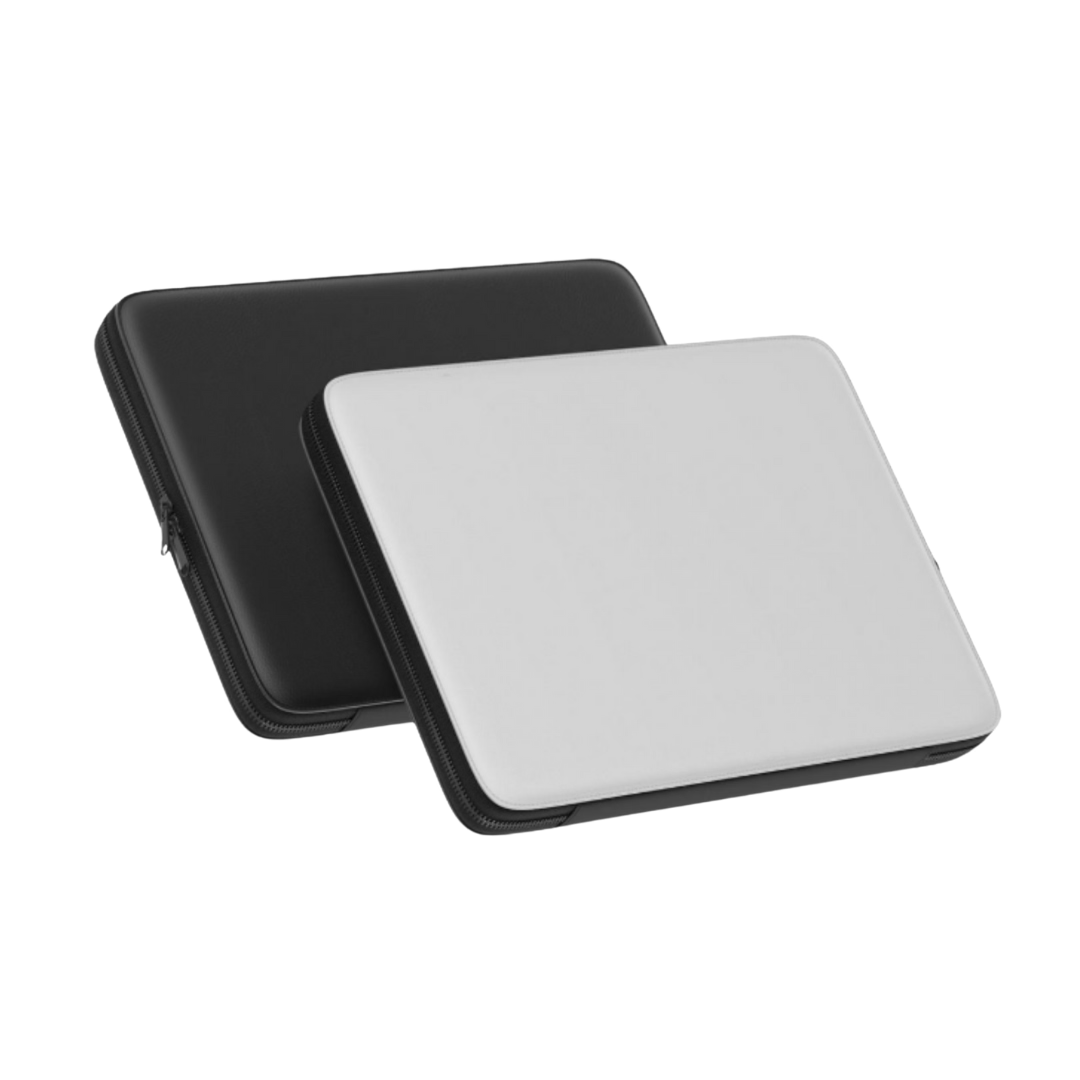
Select products with both high demand and good margins that fit your niche. Strong categories include apparel (t-shirts, hoodies), tech accessories (custom phone cases, laptop cases), home decor (wall art, throw pillows, blankets), stationery (notebooks, planners, stickers), and drinkware (mugs, water bottles, tumblers).
Select the Best POD Provider
Your provider determines product quality, delivery speed, and customer satisfaction - and therefore your income. This is where the "cheapest base price" instinct backfires: the hidden costs of a failing product (returns, support tickets, lost repeat buyers) dwarf a few cents of savings. Weigh catalog fit, real QC (Podbase uses dual-layer polycarbonate-and-TPU tough cases and spectrophotometer color checks), shipping speed (ours averages ~23 hours to ship), branding options, base pricing, and ecommerce integrations like Etsy and Shopify.
Create Converting Designs
A good design sells. Keep it simple and focused on one idea, match the niche tone (funny, bold, minimal, vintage), use tools like Canva or Photoshop, and favor large, readable fonts. Then test several quickly rather than betting everything on one - let sales, not your taste, pick the winner.
Sell on a Profitable Platform
Build your own store on Etsy, Shopify, or WooCommerce for full control over brand, experience, and pricing - or sell on a marketplace like Redbubble for built-in traffic, with less control and more direct competition.
Invest in Effective Marketing
Marketing connects you with customers and positions your product as the solution to their need. Show products in lifestyle settings on Instagram, TikTok, and Pinterest; collaborate with niche influencers (the lever behind that zero-to-seven-figure case study); and use email marketing for launch, restock, and cart-recovery messages. Sellers with a community or mentor scale roughly 32% faster than solo operators.
Also Read:
Most Profitable Print-on-Demand Products for 2026
Profit starts with picking the right products. Here is how the most profitable POD categories compare on demand and margin - then a closer look at each.
Custom Apparel (T-Shirts and Hoodies)
Personalized clothing stays a top POD category year after year - apparel led with 62.38% of POD sales in recent industry data. People love personalizing tees and hoodies to express personality and humor, so demand is constant. Try niche tees (hobbies, professions, micro-cultures), seasonal hoodies, and bundled matching tees-plus-hoodies to lift average order value.

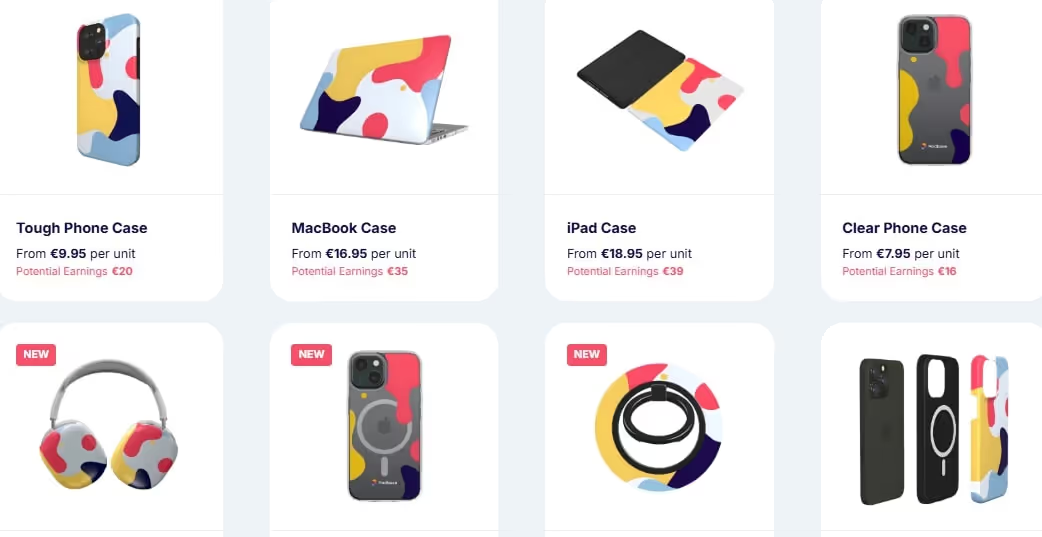
Tech Accessories (Phone Cases and Laptop Cases)
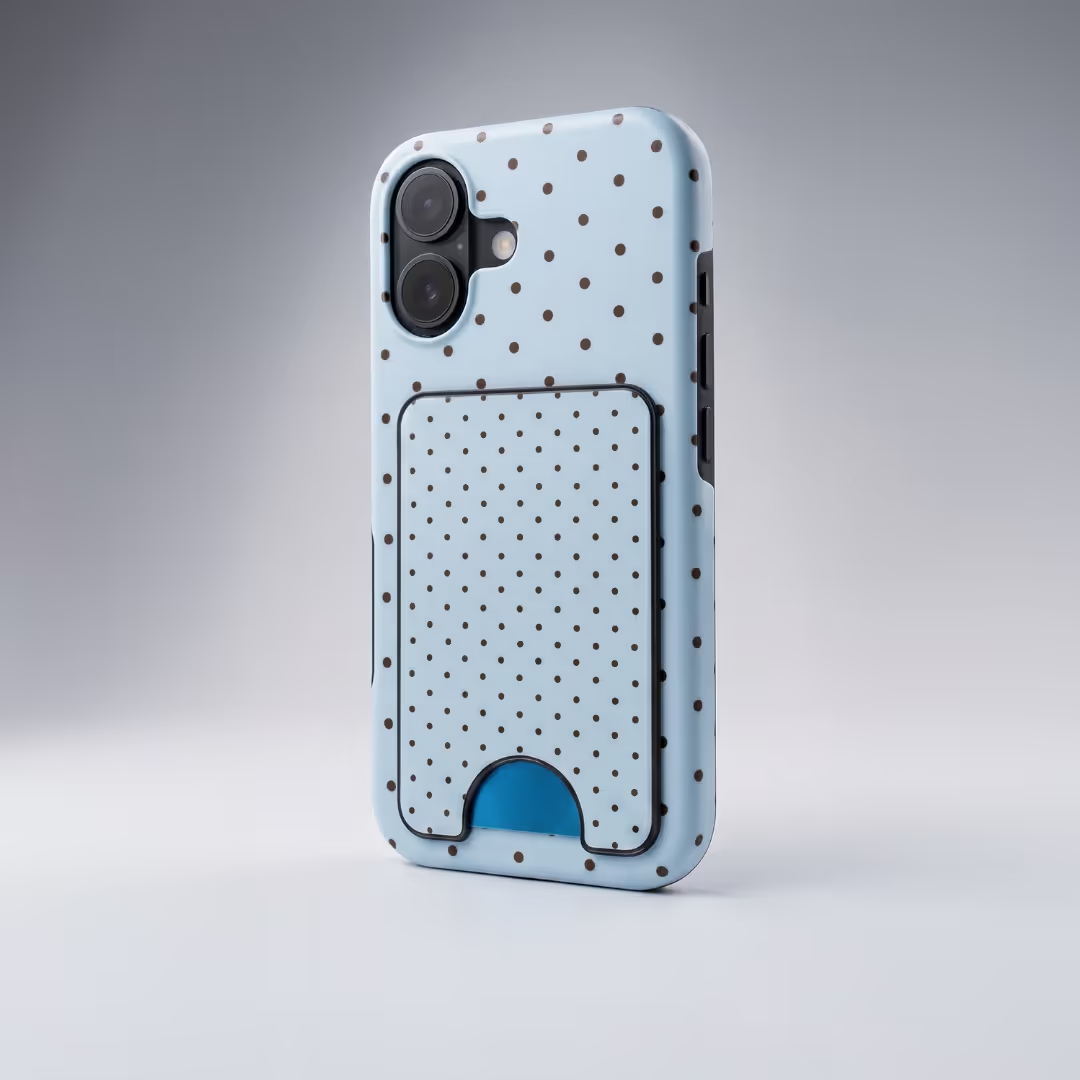
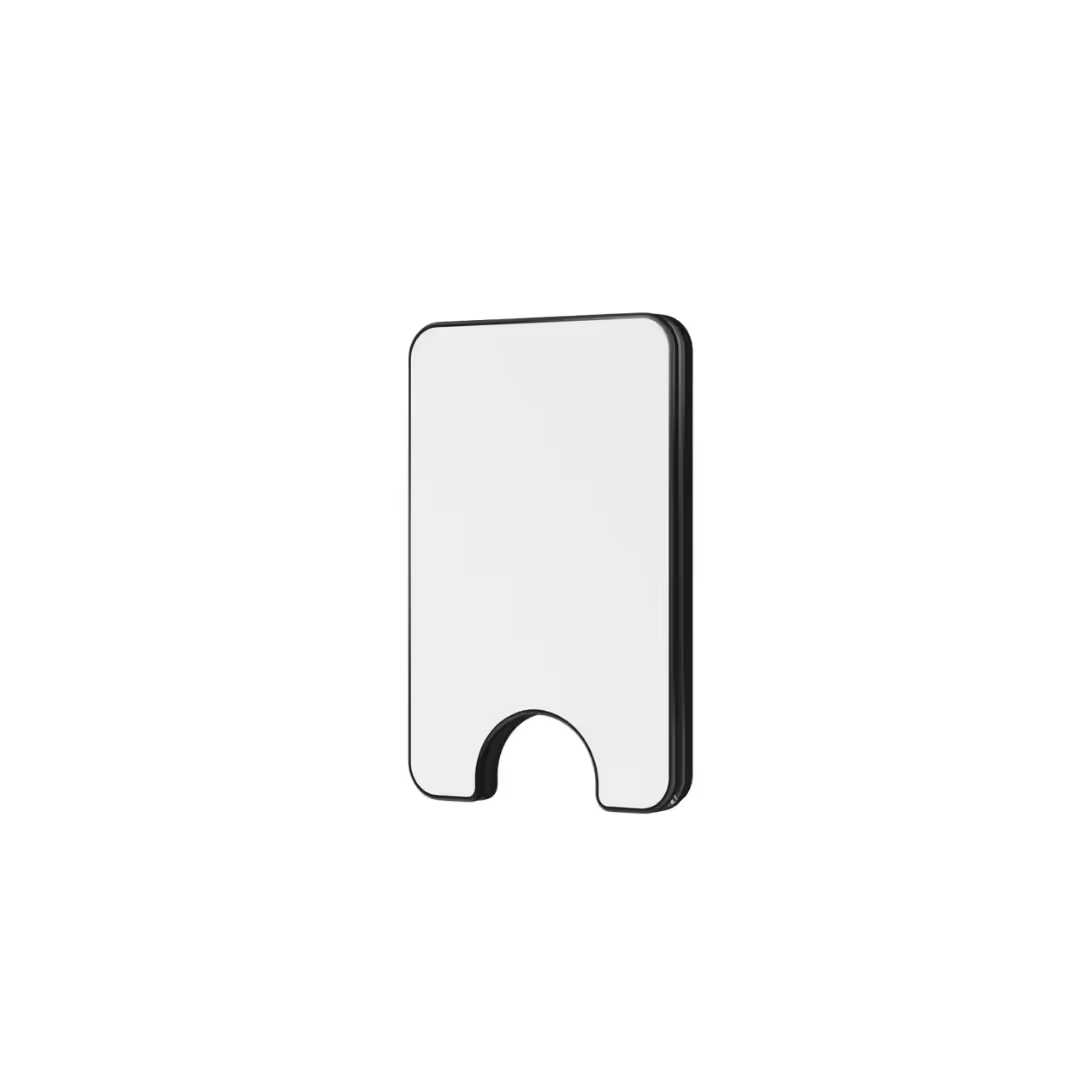
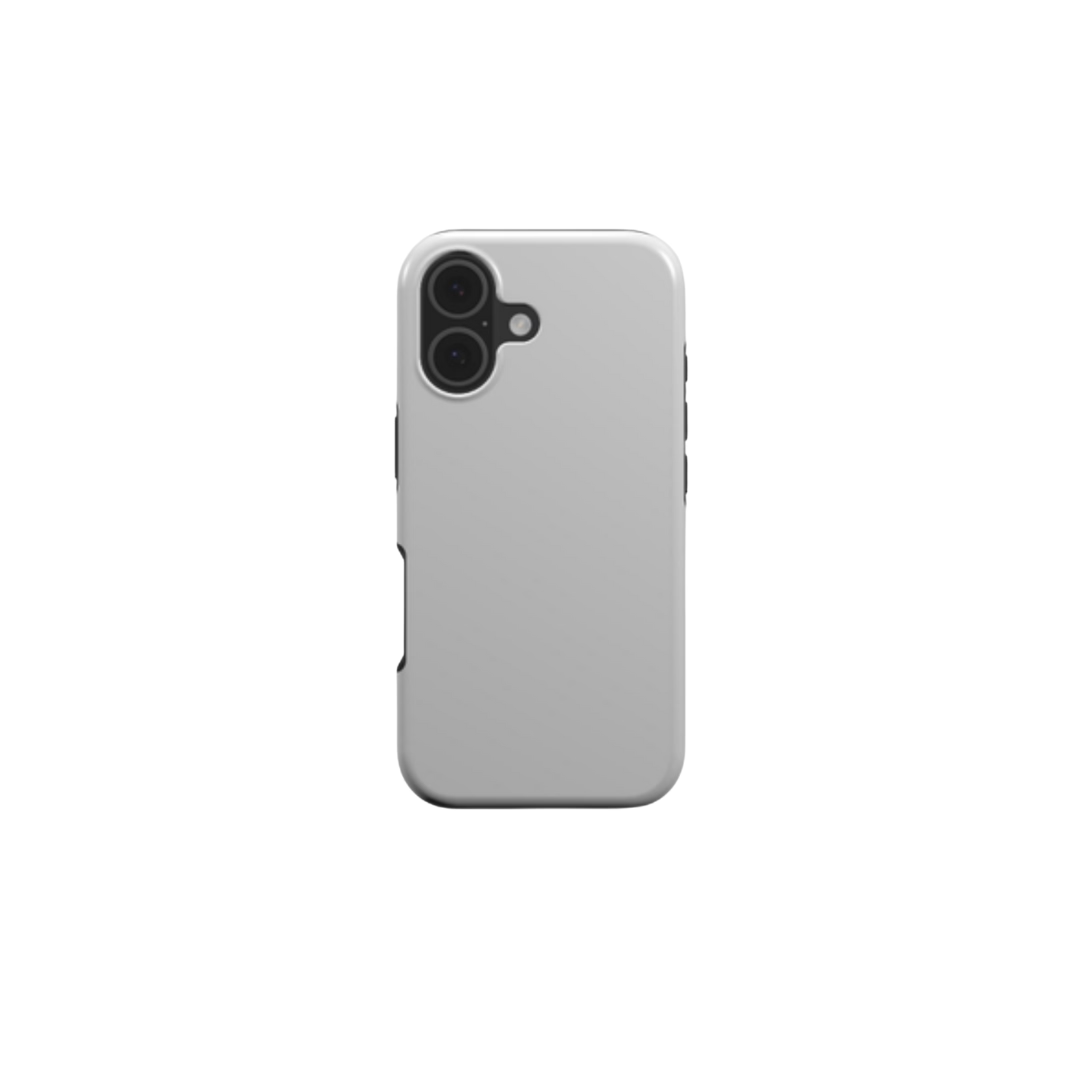
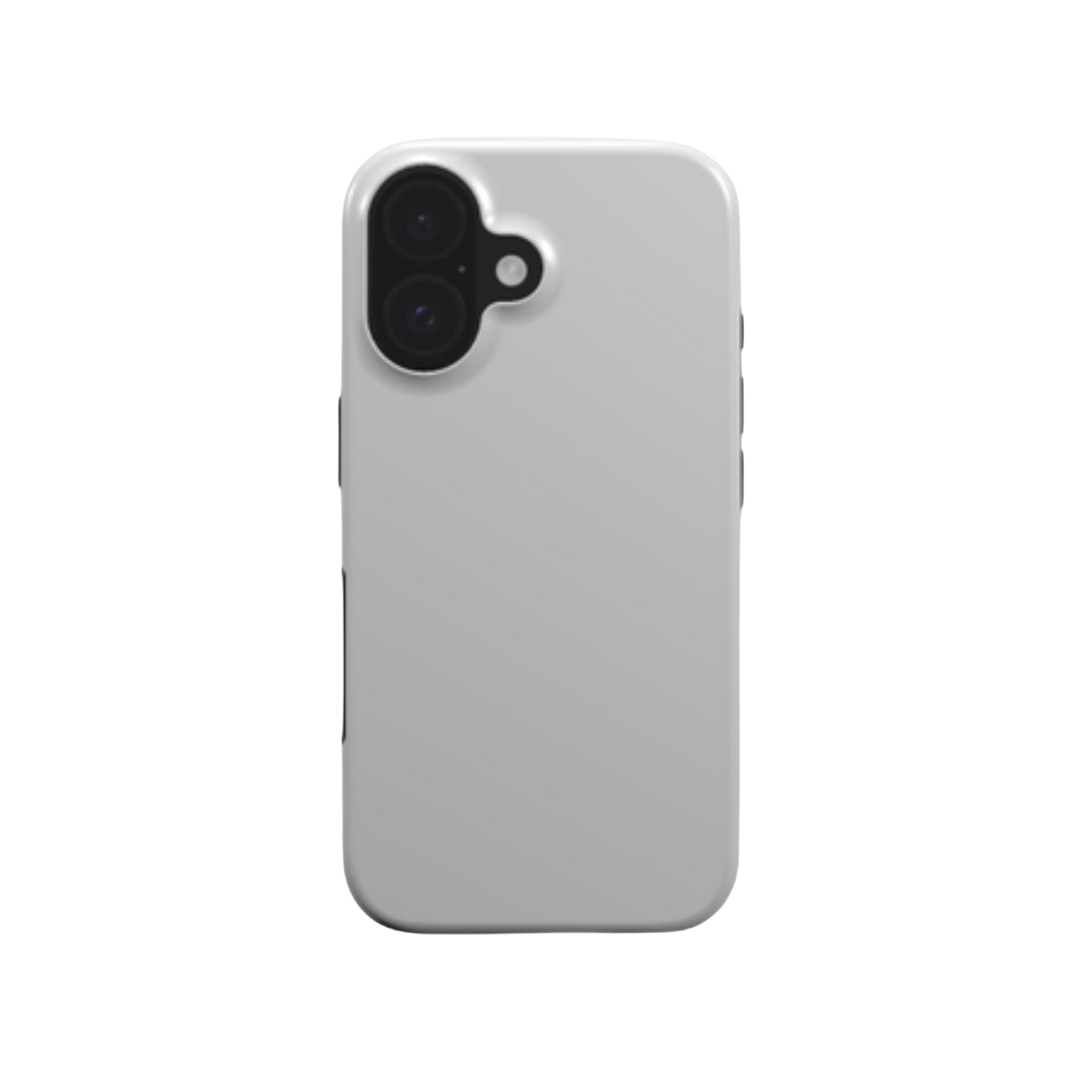
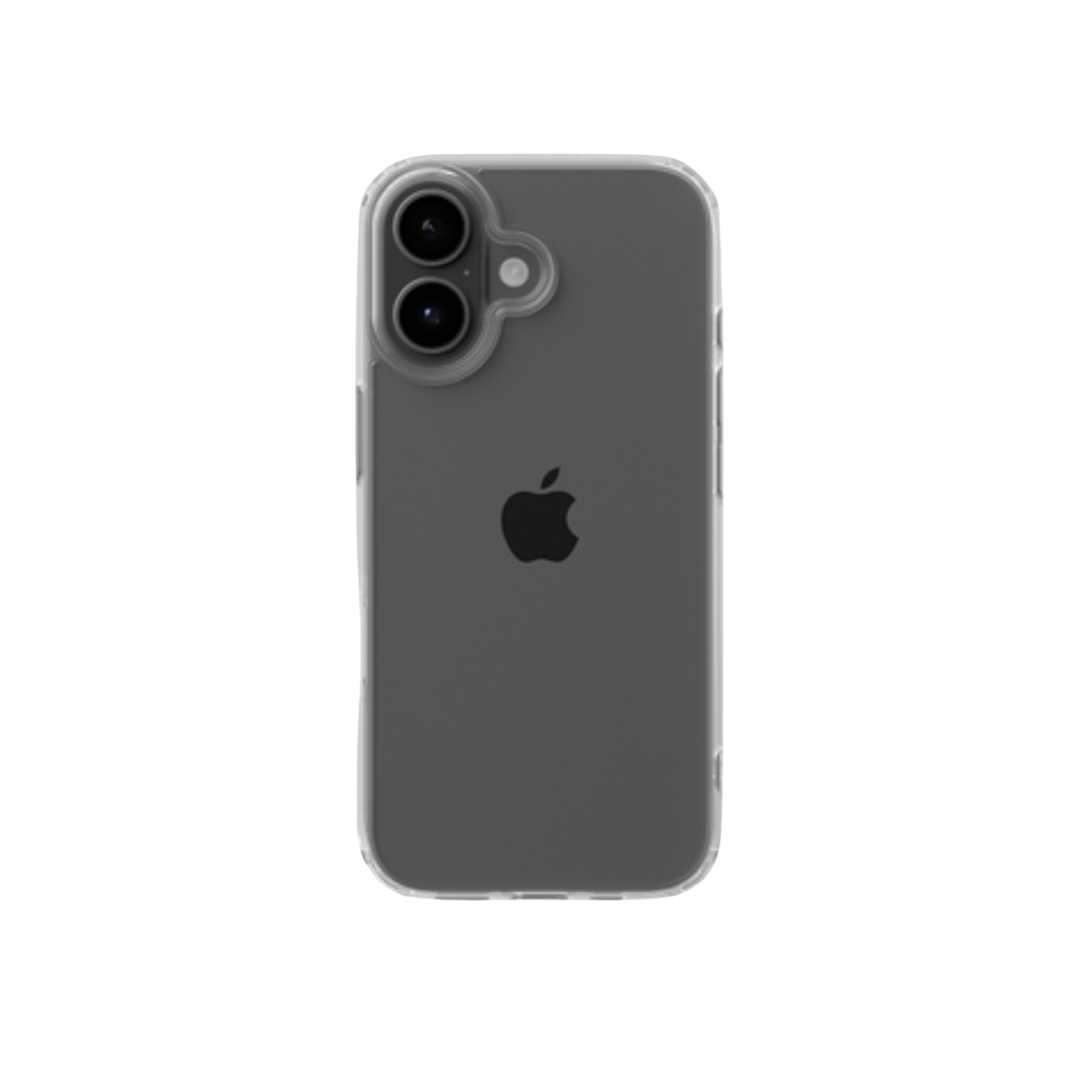
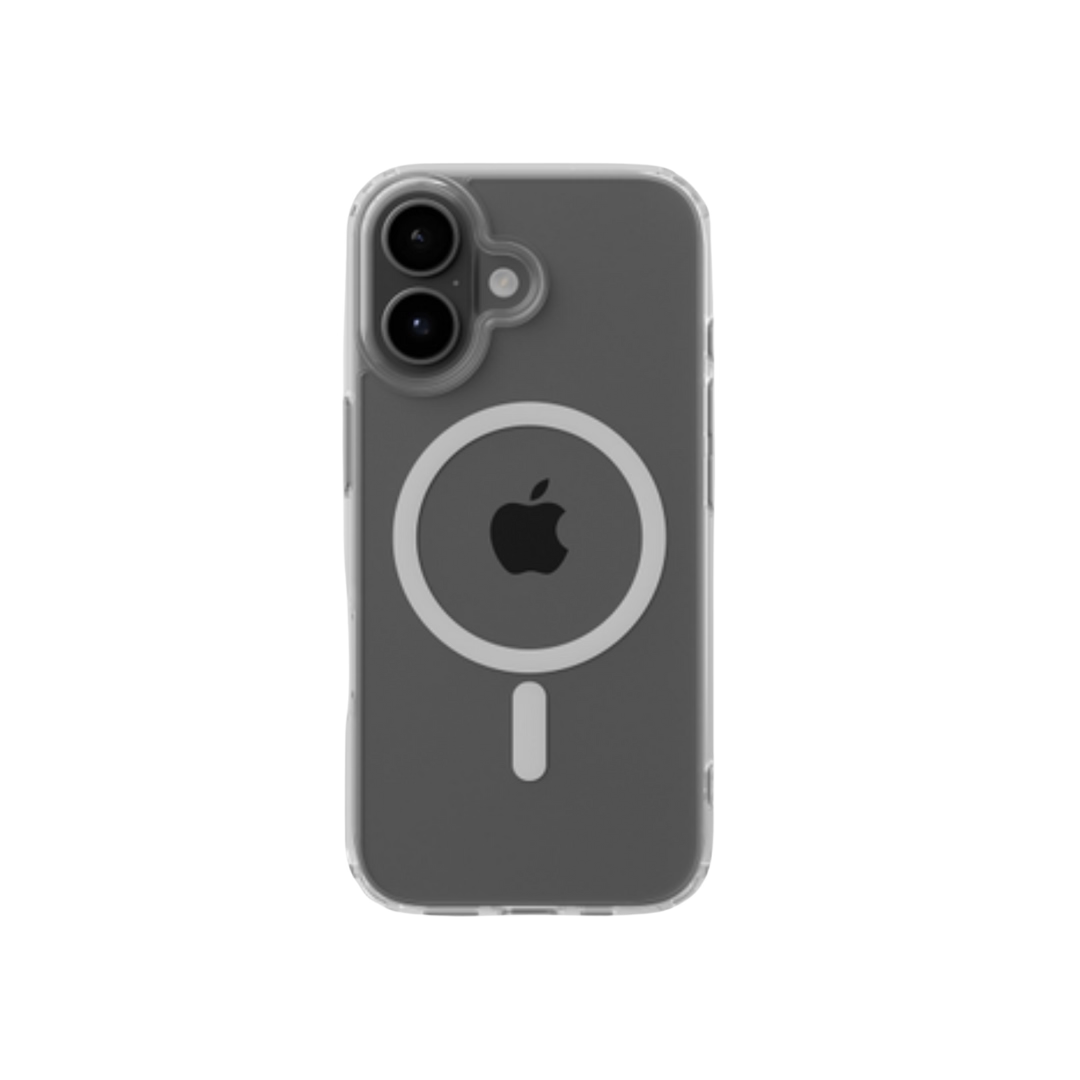
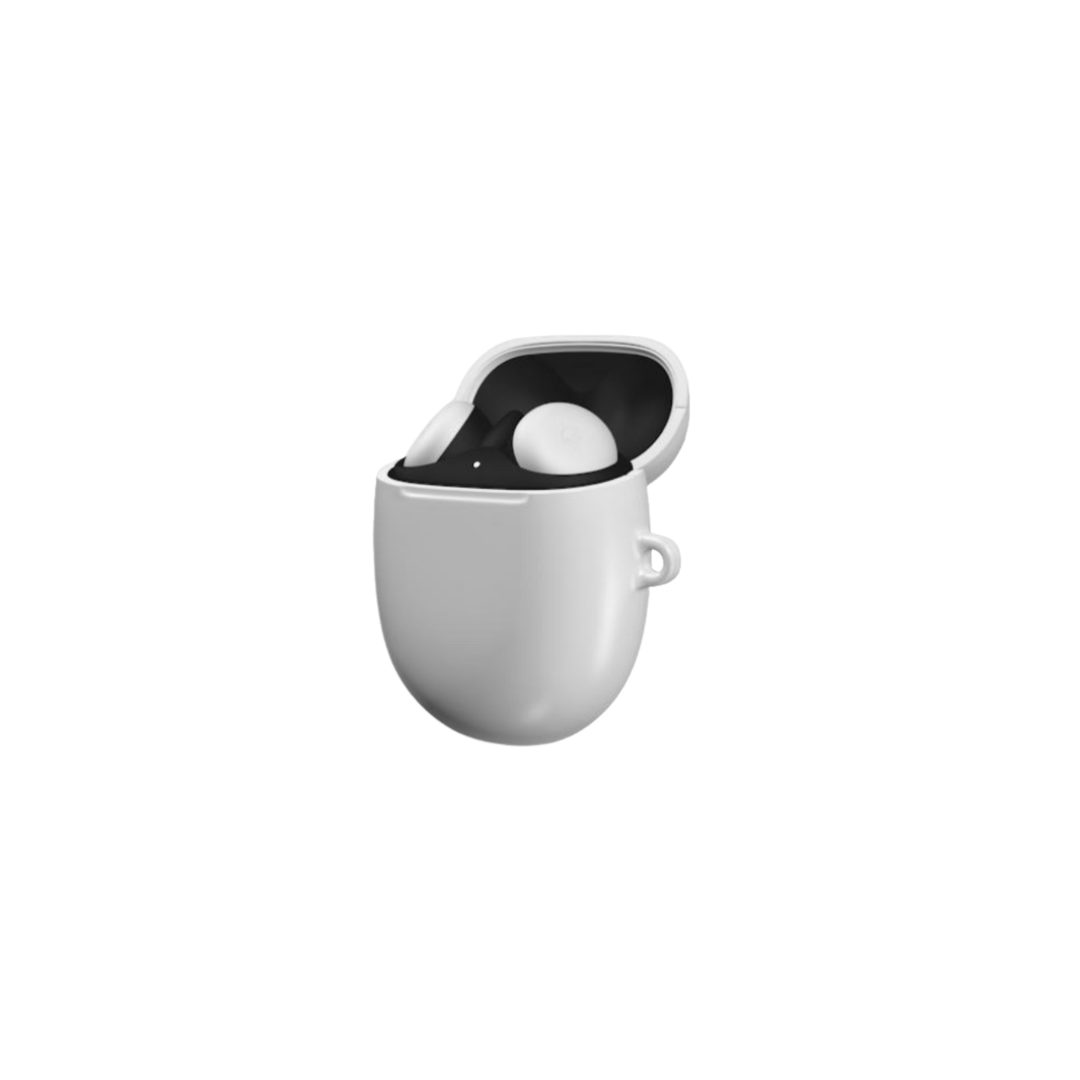
Custom tech accessories like phone cases and laptop cases offer some of the strongest margins in POD. With over 7.4 billion smartphones in use worldwide, demand is enormous: the global phone case market alone is projected to reach $41.4 billion by 2030, about 68% of smartphone owners use a case, and by our CEO's estimate close to 80% of phone users worldwide protect their device - full numbers in our phone case statistics. This is also the category with the clearest identity angle: a case is a "personal billboard," and digital artists in particular sell well here because a 40-60 euro case puts their art in a customer's hand without a 1,000 euro framed-print price tag. Podbase specializes in this category - at margins that leave real room to profit.
Drinkware (Mugs and Tumblers)
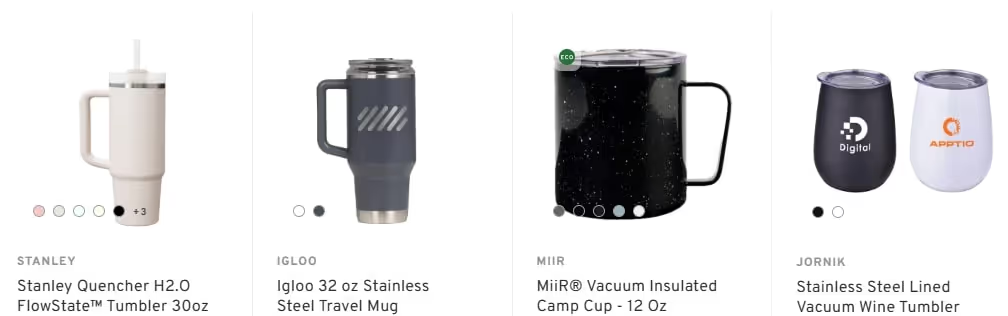
Mugs, tumblers, and water bottles are profitable because people use them daily and gift them constantly. They are low-cost to produce, so margins stay healthy. Try personalized ceramic mugs (photos, quotes, inside jokes), insulated tumblers, niche travel flasks, and seasonal gift sets (mug + coaster + gift box) to raise order value.
Wall Art and Home Decor (Posters, Canvas, and Pillows)
People love personalizing their living spaces, and wall art carries a high perceived value - so you can price for profit without scaring buyers off. There is also a large untapped opening here: by our CEO's estimate, about 65% of wall art sales still happen offline, leaving significant headroom for online POD. Offer framed digital art prints in multiple sizes, canvas and metal prints for premium buyers, and throw pillows, duvet covers, and tapestries. For a deeper playbook, see our guide to selling wall art online.

Fashion Accessories (Jewelry, Bags, and Footwear)
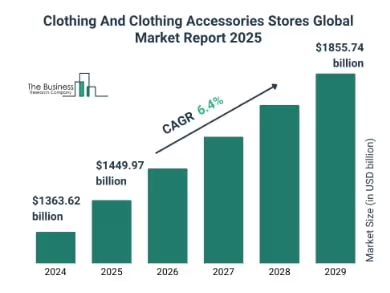
The clothing and accessories market is expected to grow from $1,449.9 billion in 2025 to $1,855.7 billion by 2029. Products like jewelry, bags, and socks let customers complete a look and carry emotional value as gifts. Sell engraved necklaces and name pieces, canvas totes and printed crossbody bags, and custom socks with quirky or seasonal designs.

Also Read:
FAQ
1. Is print-on-demand profitable in 2026?
Yes. Typical print-on-demand sellers earn margins around 20%, rising to 30%+ in strong niches, and the global market is heading past $100 billion by the mid-2030s. Profitability is not automatic, though: only about 24% of POD stores survive three years, so product quality, fast launching, and pricing discipline decide who keeps the profit.
2. What profit margin can you make with print-on-demand?
Most POD sellers average around 20% profit, with top stores reaching 30% or more. A phone case sourced at about 10 euro often sells for 35 to 60 euro. One overlooked lever is average order value: a checkout upsell such as a screen protector converts 3-10% of buyers and adds roughly 10 euro per order.
3. Is print-on-demand oversaturated?
No. The saturation is in generic commodity designs and cheap sourcing, not in quality execution. Sellers who narrow to a specific niche, ship a genuinely better product, and fulfill reliably stand out easily. One Podbase seller reached seven-figure annual revenue in 13 months with only about ten phone-case designs - depth beats thousands of SKUs.
4. What are the most profitable print-on-demand products in 2026?
Custom apparel leads POD sales, but tech accessories like phone and laptop cases deliver some of the strongest margins, helped by 7.4 billion smartphones in use and a phone case market heading toward $41.4 billion by 2030. Drinkware, wall art, and fashion accessories also profit well, especially with bundles that raise average order value.
5. Why do most print-on-demand stores fail?
Only about 24% of POD shops survive three years. The common causes are never launching (over-perfecting in private), choosing the cheapest base product so quality fails and reviews suffer, underpricing, and assuming free social traffic is enough. Sellers who launch within two weeks and publish five products in 30 days beat 80% of stores.
6. How do you choose a profitable print-on-demand provider?
Compare catalog fit, product and print quality (order samples), shipping speed, branding options, base pricing, and ecommerce integrations. Avoid choosing on base price alone, because a failing cheap product costs more in returns and support than it saves. Reliable fulfillment - Podbase averages about 23 hours to ship - protects the reviews that drive profit.
7. How big is the print-on-demand market in 2026?
The global print-on-demand market sits at roughly $13 billion in 2026 and is projected to exceed $100 billion by the mid-2030s, with Precedence Research forecasting $118.85 billion by 2035. Around 228,000 POD stores operate worldwide, apparel remains the largest category, and tech accessories deliver some of the highest margins.
Conclusion
So, is print-on-demand profitable in 2026? Yes - but the profit goes to the operators who treat it like a real business, not a markup. The market is heading past $100 billion by the mid-2030s, yet only about 24% of stores survive three years. The survivors do four things: they launch fast and test instead of perfecting in private, they choose a durable product so quality protects their reviews, they raise average order value with upsells and bundles, and they budget for marketing rather than assuming free reach. Pick a specific niche, ship a genuinely better product, price for profit, and reinvest what you earn. Build it on margins and fulfillment designed to last - create a Podbase account today to get started.

Saulius Meilutis is the CEO of Podbase, helping creators and entrepreneurs monetize their ideas with print-on-demand. He shares insights on eCommerce, growth, and building lean online businesses.

.avif)



.avif)
.avif)
.avif)
.avif)
.avif)
.avif)

.avif)



.avif)

.avif)

.avif)

.avif)

.avif)